How to Support Your Baby’s Speech and Language in the First 3 Years
I loved joining Build a Brain, Build a Life, Build a Community® for an episode of The Critical Window, where we talked all about one of my favorite topics: how to support a baby’s communication development from the very beginning.
In the first three years of life, babies are building the foundation for speech, language, connection, and learning — and there is so much parents can do during this window through everyday routines, play, and responsive interaction.
In this conversation, I shared research-based strategies that are simple, realistic, and empowering for families.
Excerpt:
“Babies are communicating from day one — long before their first words appear.
One of the most powerful things caregivers can do is respond to gestures, facial expressions, and sounds as meaningful communication. Children learn language through connection, repetition, and shared attention.”
I also discussed why milestones are meant to be a helpful reference — not a strict rulebook — and why the best approach isn’t “wait and see,” but rather “check and see” if you have concerns.”
What We Talked About in This Episode
During the episode, we covered:
Why faces and gestures are some of the earliest building blocks of communication
How early intervention can support infants and toddlers in powerful ways
The common worries parents have about language delays (and what’s actually typical!)
Why understanding always comes before speaking
The truth about multilingual homes — and why multiple languages do not cause delays
How autism is being identified earlier and more accurately today
Why simple toys and everyday objects often support development better than expensive ones
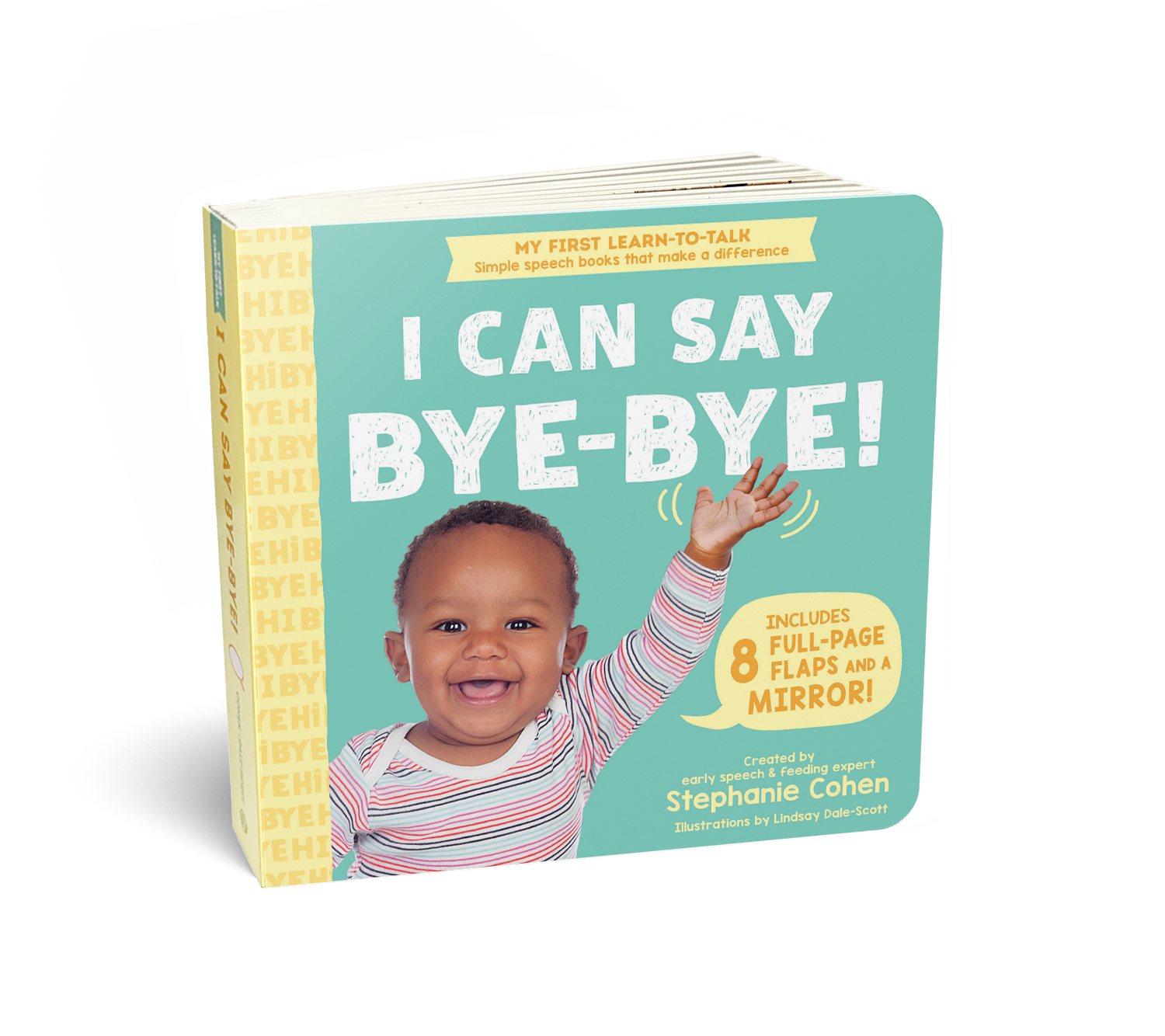
My newest board book, I Can Say Bye-Bye, and my toddler reading webinar Let’s Read Together (Now called “Choose & Use Books to Teach Your Toddler To Talk (and love reading!)”)
A Reminder for Parents
If there’s one takeaway I hope families feel after listening, it’s this:
You don’t need fancy materials or perfect strategies. The most important ingredient in language development is connection — being present, playful, and responsive during everyday moments.
🎧 Listen to the full podcast here: https://youtu.be/b_rV--Ui-UM?si=fDd2zETeuki5o6ur